The Off-Duty Uniform: How Editors Actually Dress Between Shows
Away from the flash of the step-and-repeat, the people who cover fashion for a living have quietly agreed on a uniform of their own.
There is the fashion you see on the runway, and there is the fashion worn by the people sprinting between venues to watch it — and the second category has become, in its own understated way, just as instructive. Spend a week trailing editors, stylists, and buyers from show to show and a pattern emerges fast: nobody is dressed for the runway. Everybody is dressed to survive four cities in twelve days without sacrificing the eye for detail their job depends on.
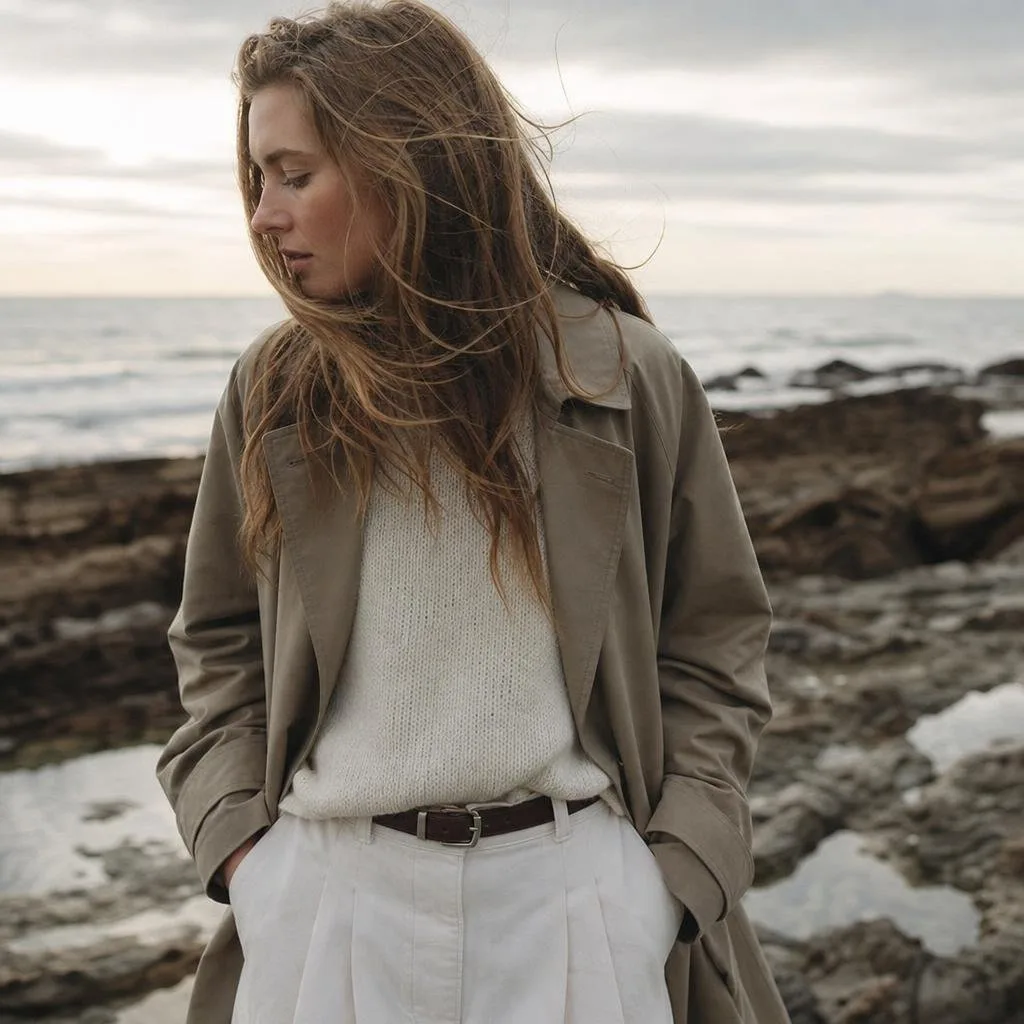
The uniform, such as it is, tends to start with a single reliable trouser — straight-legged, full-length, in a fabric that can be worn eleven hours a day without losing its shape. Over it goes a coat chosen less for trend than for pocket depth, since a coat that cannot hold a phone, a notebook, and a lipstick is a coat that gets left at the hotel. What separates one editor's look from another's is rarely the base layer; it is the single considered accessory, a vintage brooch or an unexpected shoe, worn with the confidence of someone who has already decided what she thinks about the collection she is about to see.
This is, in miniature, the argument for personal style over trend-chasing that the fashion press has been making to readers for decades, now visible on its own staff. Real style, the kind that photographs well outside a studio, tends to be built from constraint — a wardrobe edited down to pieces that work together under pressure — rather than from an ever-expanding closet of possibilities.
It is worth noting, too, how much this uniform has shifted toward comfort without losing its edge. Sneakers now appear under tailoring without apology. Bags have gotten smaller, hands-free, built for a person moving fast. The lesson for anyone outside the industry is not to buy what the editors are wearing, but to borrow their method: dress for the day you are actually going to have, and let the one deliberate detail do the rest.